Kallastein en Kallali
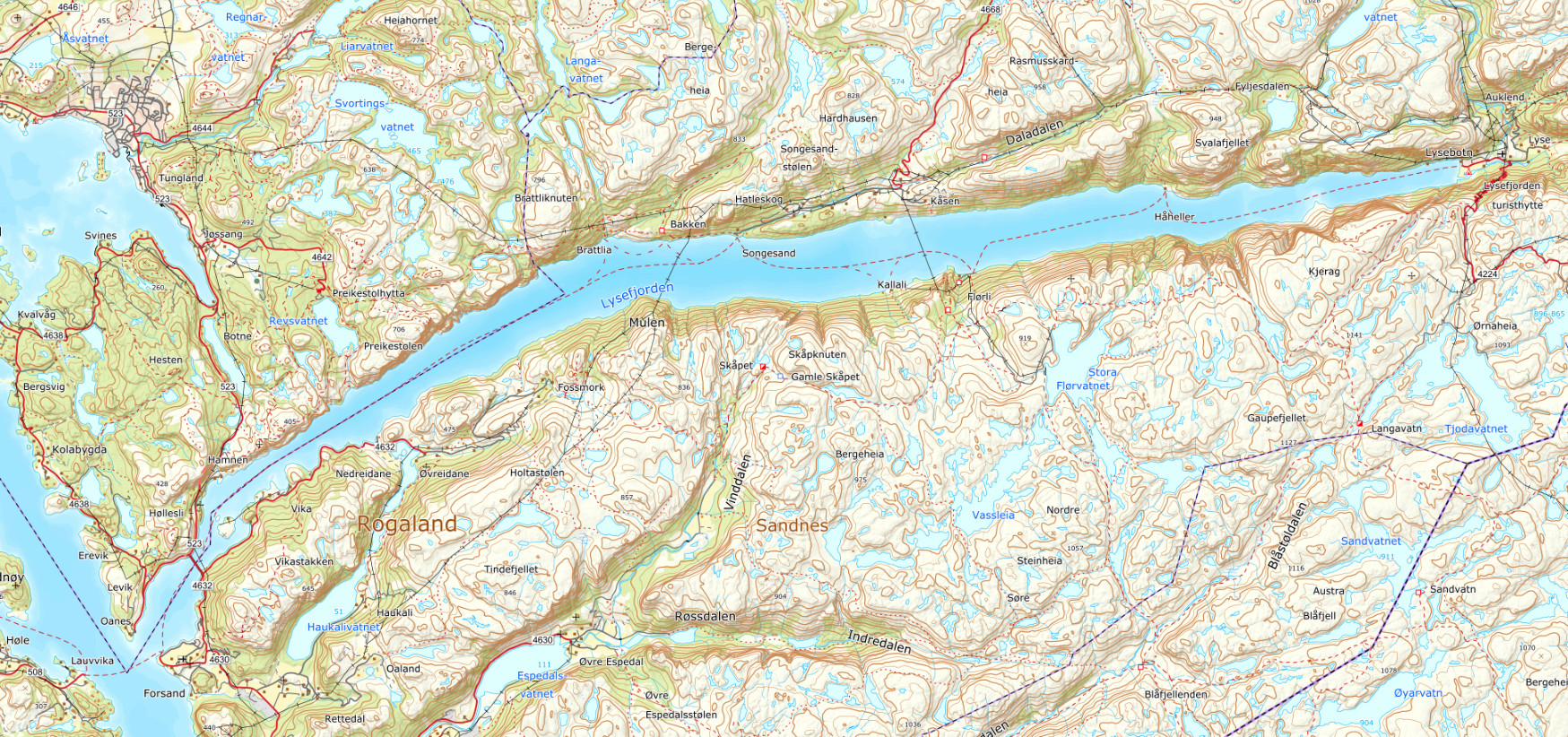
Kallastein en Kallali zijn twee historische boerderijen aan weerszijden van de Lysefjord, met een boeiende geschiedenis van nederzettingen langs de fjord. Kallastein aan de noordzijde en Kallali aan de zuidzijde vormen waardevolle culturele landschappen en herinneringen aan het leven en de tradities van vroeger.
Kallastein en Kallali zijn twee historische boerderijen aan weerszijden van de Lysefjord in Noorwegen. Deze boerderijen zijn belangrijk voor het documenteren van de nederzettingsgeschiedenis langs de fjord en hebben elk een uniek en interessant verhaal te vertellen. De namen Kallastein en Kallali zijn afgeleid van de woorden "roepen" of "schreeuwen", zoals men vroeger over de fjord naar elkaar seinde om een boottocht te vragen.
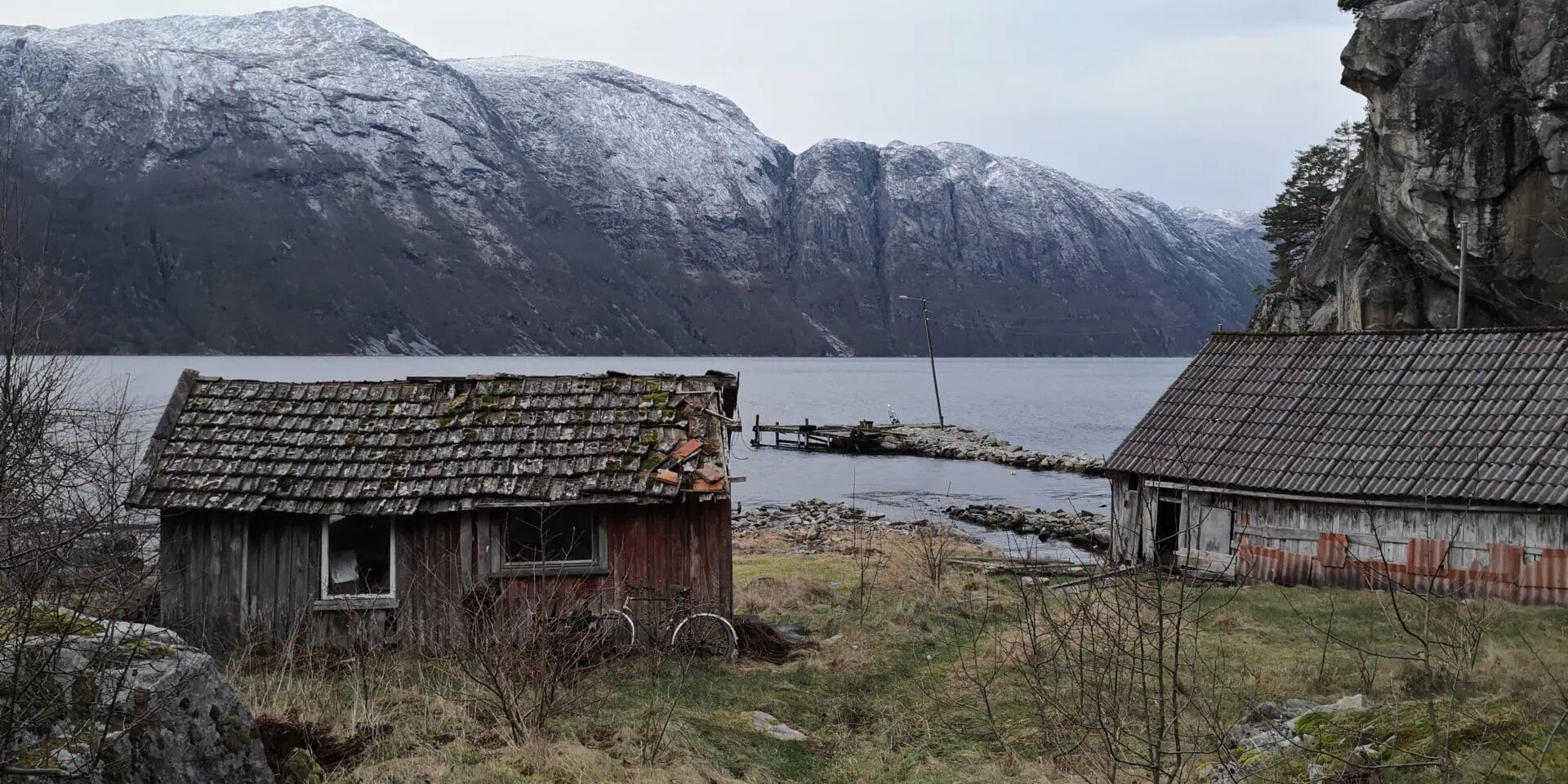

Kallastein ligt aan de noordkant van de Lysefjord en is een oude boerderij met kersenbomen die vanaf de fjord goed zichtbaar zijn en er van verre uitzien als een sereen paradijs. De boerderij dateert uit de late 16e eeuw en heeft een goede haven aan de westkant. De boerderij bleef in bedrijf tot 1970, toen de laatste gebruiker naar Lysebotn verhuisde. Tegenwoordig verkeren de haven en de boerderij in slechte staat en is het voormalige cultuurlandschap overwoekerd. Desondanks heeft het nog steeds fascinerende verhalen te vertellen.
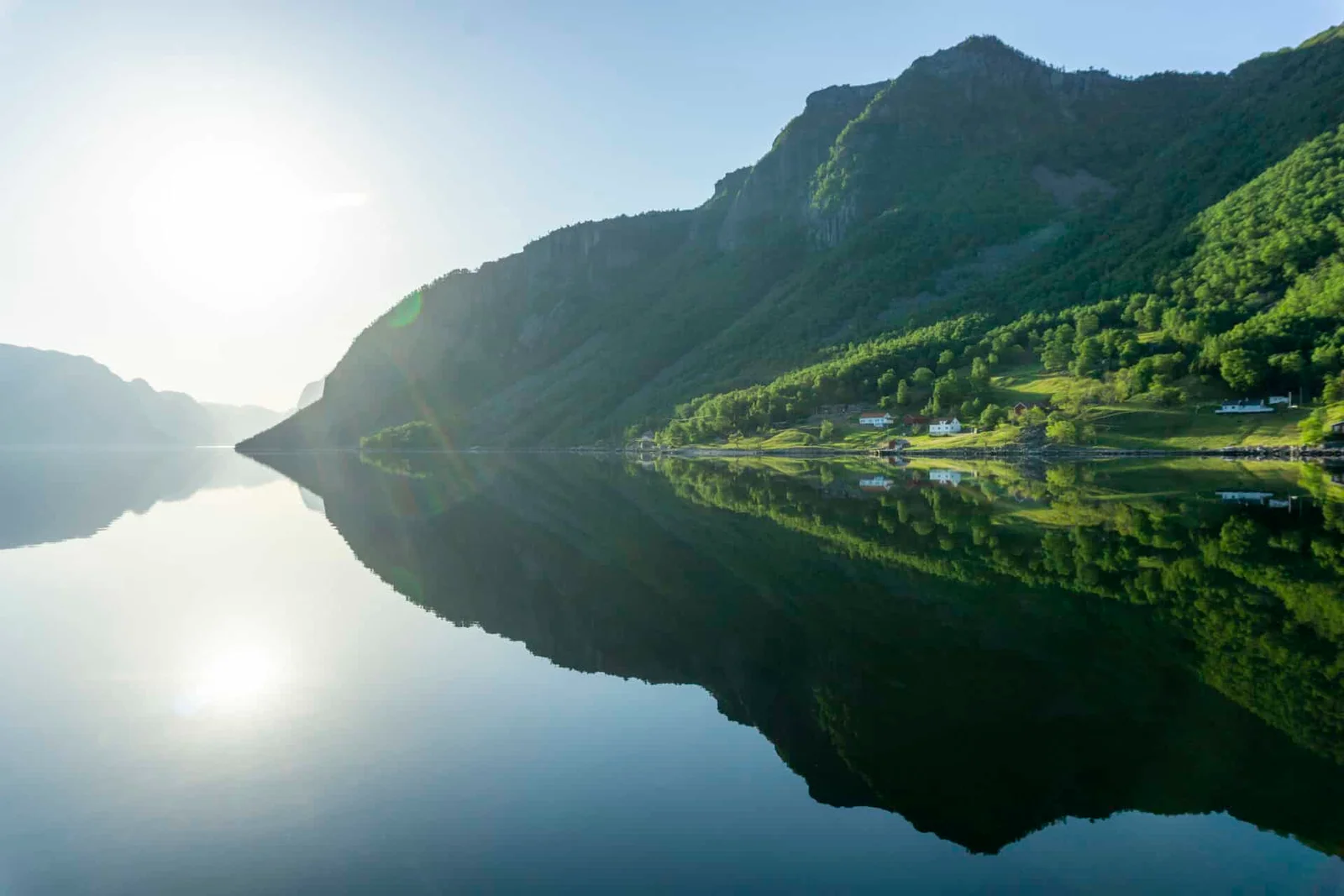
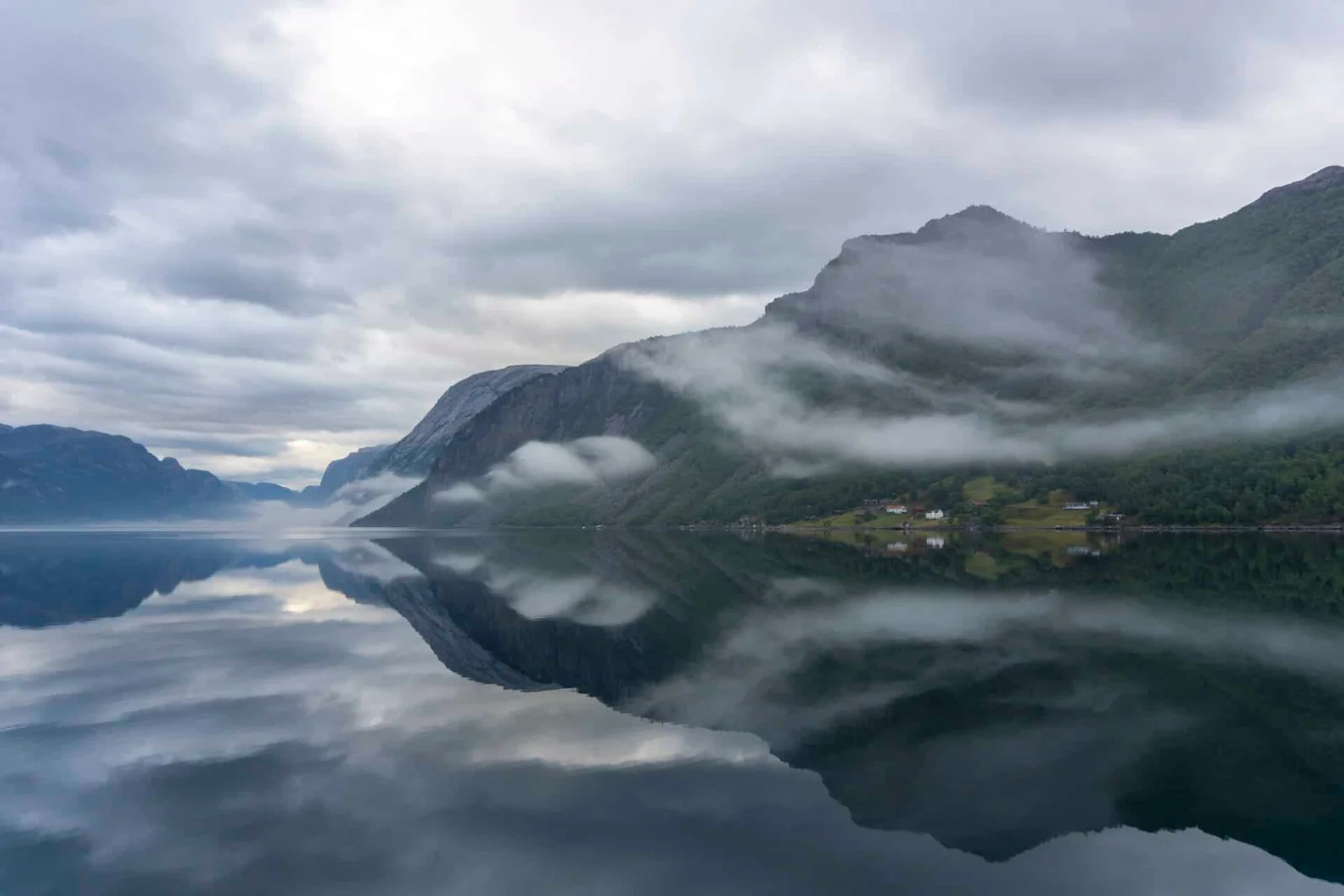
Kallali ligt aan de zuidkant van de Lysefjord en heeft een rijke geschiedenis die teruggaat tot de 17e eeuw. Deze boerderijen vormen een waardevol cultureel landschap en Kallali is een rustige, kleine oase te midden van het ruige fjordlandschap. Een van de woonhuizen op Kallali dateert uit 1750 en is daarmee een van de oudste huizen in de Lysefjord. De witgeschilderde huizen zijn duidelijk zichtbaar vanaf de fjord en worden goed onderhouden. Verschillende ervan worden gebruikt als vakantiehuis. Daarnaast zijn er op Kallali ook hutten gebouwd en is er in de zomermaanden nog steeds veel activiteit.
Urnes is een landtong met grote rotsblokken en was bewoond van 1762 tot 1874. De landtong was een pachtgrond onder Kallali en was de plek waar de familie van Pilt-Ola enkele jaren woonde voordat ze zich op Bakken vestigden.